Pier & Bridge Fishing
Pier Fishing Tips: How to Attract Fish to Your Bait
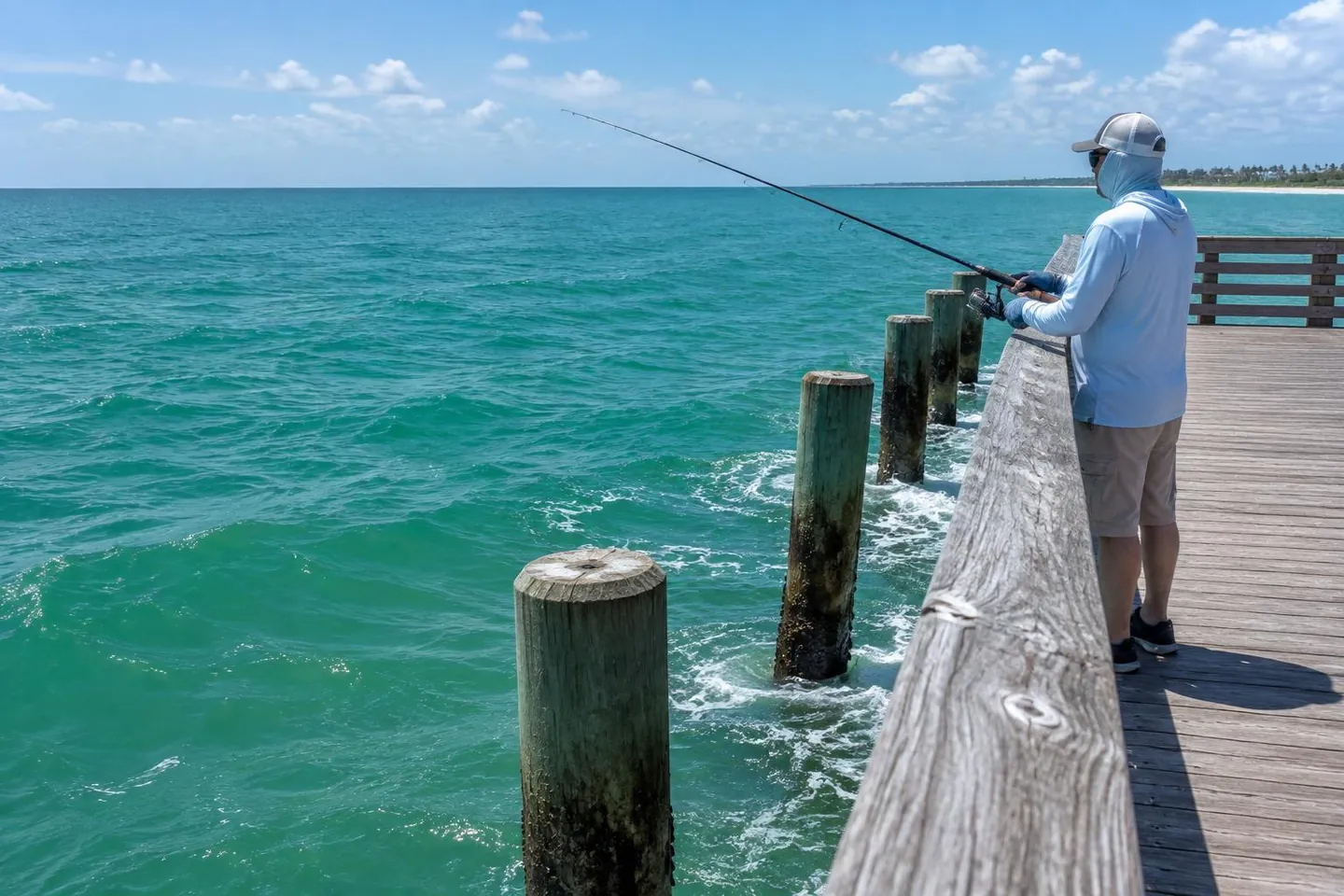
A pier gives you access to deeper water without a boat, but it also gives you pilings, moving water, and neighbors to work around. Read the conditions, make your bait easy to encounter, and keep the whole setup under control before considering chum.
Check the pier before unpacking
Read posted rules, ask staff about restricted areas, and find out whether there are limits on rods, bait, casting, or chumming. Florida FWC distinguishes piers from beaches in its statewide chumming guidance, but that does not override a pier operator’s rules or local restrictions. Never assume a technique is allowed because you saw another angler using it.
Check licensing requirements and the current regulations for the species you may keep. A pier’s arrangements may differ from another site’s, so ask rather than assuming admission covers everything. Note where you can safely land fish, dispose of line, and wash your hands. Look at the weather and identify a safe way off the pier if conditions deteriorate.
Use tides and current as observations
A tide forecast helps you plan, but look at the actual water when you arrive. Wind, pier position, and nearby channels can change what you see. Watch floating foam and other anglers’ line angles without crowding their space. Water pulling your line sharply sideways may require a different presentation or a move to a less congested part of the pier.
There is no universal best tide for every pier or species. Instead, notice whether your bait stays in the intended area and whether you can maintain contact with the rig. Recheck after a current change. If your setup repeatedly drifts into a neighbor’s line, reduce the distance you fish or move rather than adding rods and hoping for the best.
Fish structure without losing control
Pilings create changes in flow and provide structure worth investigating. That does not mean every piling holds fish at all times. Place bait where you can manage the line rather than sending a rig into the tightest gap. Barnacles and other rough surfaces can damage line, so inspect your leader after rubbing against structure or bringing up a snagged rig.
Set a drag appropriate to your tackle and plan how you will guide a hooked fish away from pilings. Do not wrap line around your hand to free a snag. Keep hooks away from railings and walkways, and avoid lifting a heavy fish by the rod tip. Where allowed and appropriate, a pier net can help with landing; confirm the site’s procedure beforehand.
Choose bait for the fish and conditions
Shrimp, small baitfish, cut bait, and artificial offerings are common options, but the right choice depends on what you are targeting and what is legal to use. Start with fresh, well-kept bait in a size that suits the hook and expected fish. A huge offering on a small hook can hide the point and make your presentation awkward.
Replace washed-out or damaged bait and check for unwanted tangles. Keep unused bait cool and store knives securely. Local tackle shops and pier staff can suggest practical starting points, but treat those suggestions as local experience rather than a guarantee. Learning what stays on your hook and fishes cleanly is more useful than chasing a supposed magic bait.
Bottom bait or suspended bait?
A bottom rig places bait near the seabed, usually with enough weight to manage current. A suspended presentation holds bait above the bottom, using a float or another suitable rig. These are different ways to offer food, not permanent labels for fish behavior. Depth, snags, water movement, and the species you are targeting should influence the choice.
Use only the weight your tackle can safely handle. Too little control can send your line across the pier; simply adding more weight can overload a rod or make a rig hazardous to cast. Adjust the whole setup or choose a safer fishing spot. Check the total casting load, including bait, chum, weights, and all terminal tackle.
Chumming is an optional technique
Where the pier permits it, anglers may use small amounts of loose chum, a secured bag, or a personal dispenser. Current carries released material away from its starting point. Consider where it will go before putting anything in the water, especially if other people are fishing downstream. More chum does not necessarily solve poor bait placement or a lack of feeding fish.
Stop if the release creates a nuisance, attracts unwanted wildlife, or violates staff instructions. Retrieve bags and containers; do not leave a line dangling after you pack up. Use modest amounts and keep bait scraps and packaging out of public areas. Never put chum beside swimmers or assume a fish-feeding attraction is harmless just because the pier is popular.
Where a personal dispenser may fit
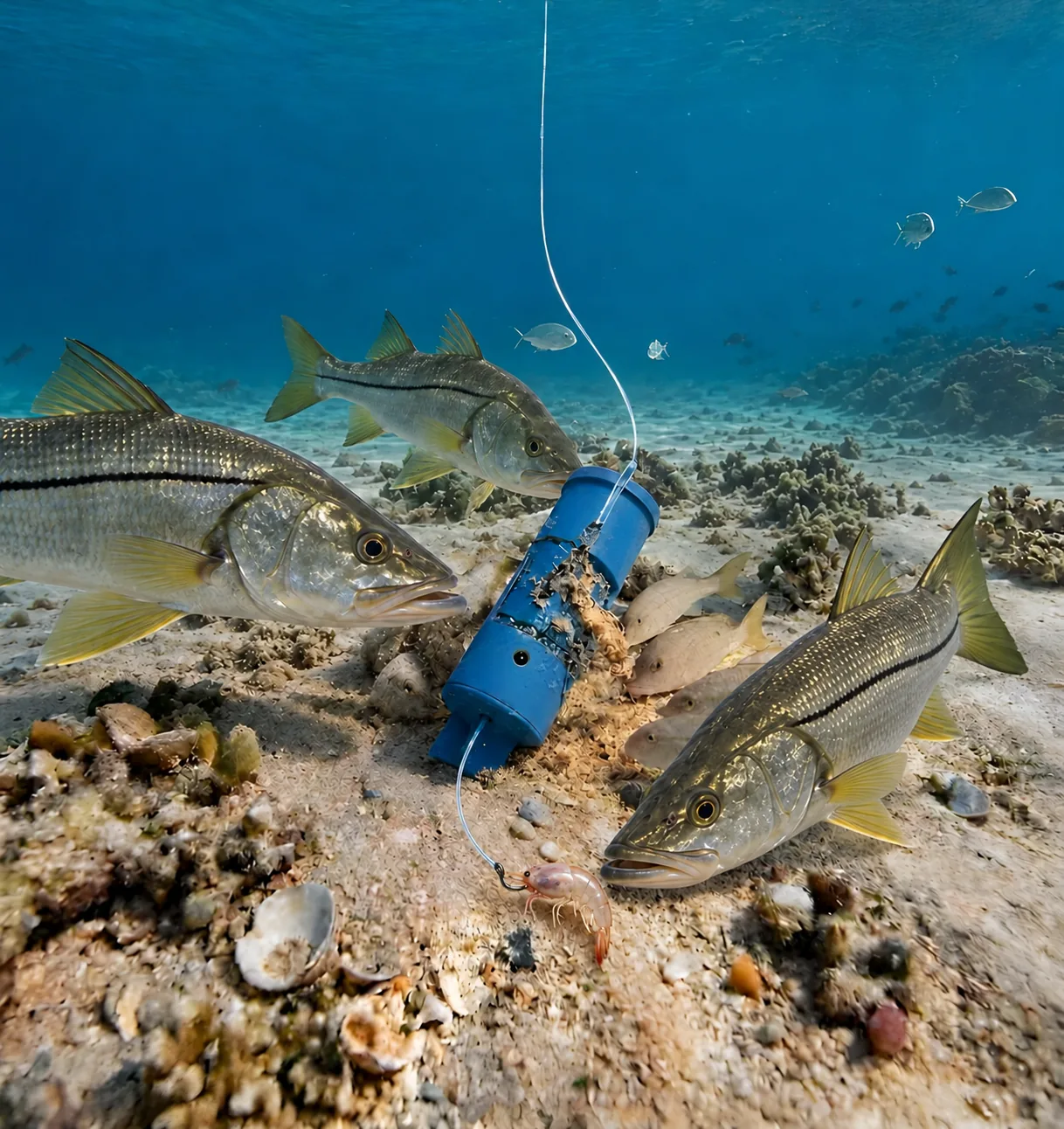
Chum Buddy™ offers Floating Chum Buddy™ and Sinking Chum Buddy™ models for different release positions. Both have a removable internal chum bucket and are reusable and refillable. A sinking setup releases material lower down; a floating setup releases it from the surface. Compare them against your water depth, current, and hooked-bait position before choosing, and consult the Product page for rigging guidance.
A surface release can drift well away from a bottom bait, and a bottom-oriented release can also move downstream. Neither model locks a scent trail in place. The Floating model has no weight compartment; the Sinking model has an adjustable sinker compartment. Follow model-specific instructions rather than trying to turn one design into the other with improvised attachments.
Good neighbors make better pier days
Announce a cast if anyone is close, look behind you, and leave room for people walking past. Coordinate with nearby anglers when landing a fish. Keep your gear compact and clear of the walkway, and collect discarded line when safe. If you hook a turtle, seabird, or other protected wildlife, contact the appropriate wildlife rescue service and follow its instructions.
Finish by rinsing reusable tackle with fresh water and emptying the dispenser before drying it. Record current direction, bait, depth, and any useful changes you noticed. A successful pier session is not only about a catch: fishing safely, respecting other anglers, and leaving the site clean keep this shared access worthwhile for everyone.
Sources & further reading
- Florida FWC: fish feeding and chumming rules
- Florida Sportsman: practical chumming and current considerations
Regulations can change. Verify current rules with the relevant authority for your fishing location; this guide is not a substitute for official guidance.