Surf Fishing
How to Chum While Surf Fishing: A Beginner’s Guide
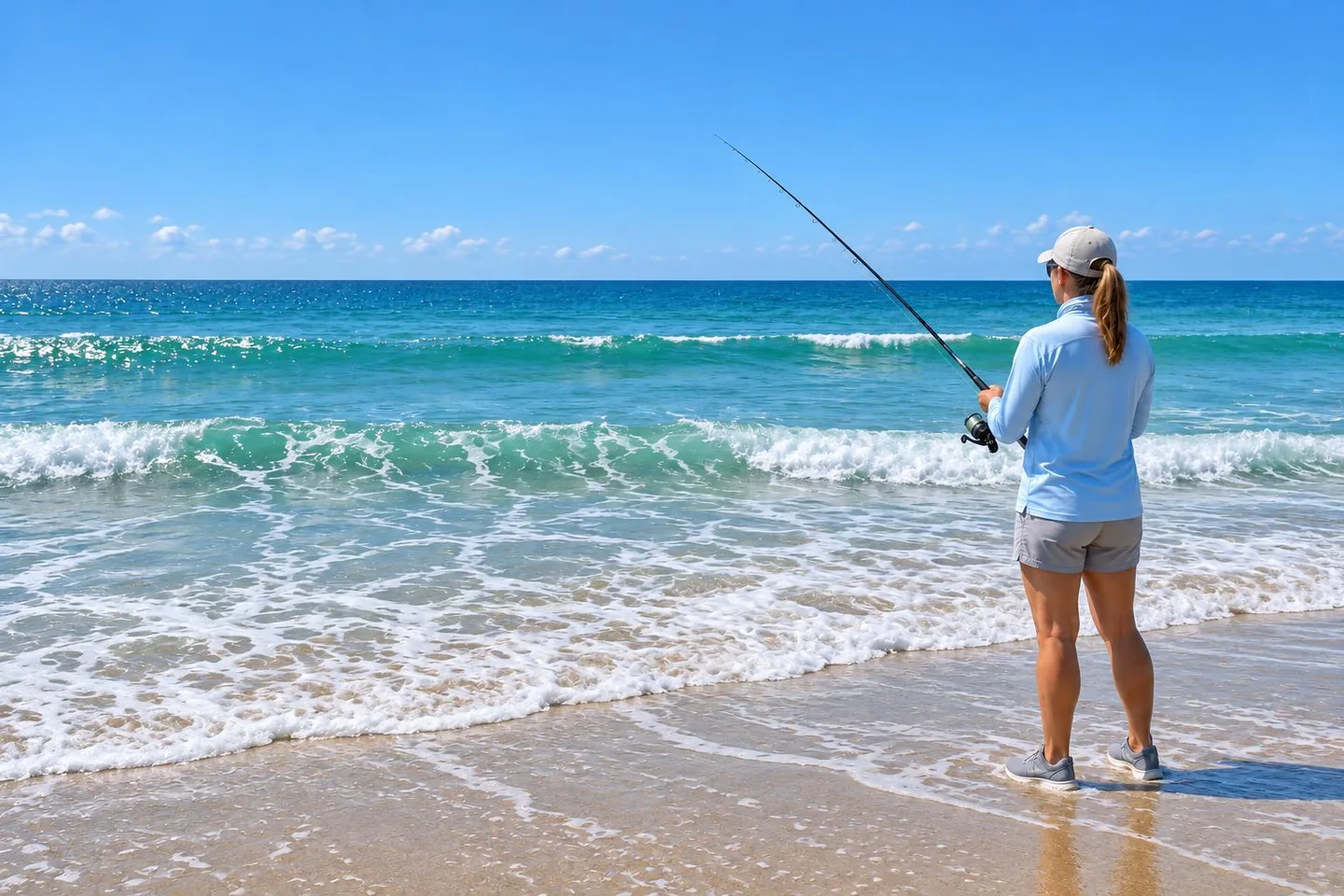
Before planning a chum trail, check whether you may use one. In Florida, chumming is prohibited when fishing from a beach or while wade-fishing immediately adjacent to a beach. This guide explains the general technique for places where it is permitted, and how to make sensible fishing decisions when it is not.
Start with the rules, not the chum
Chumming rules depend on where you fish, not simply what species you hope to catch. Florida’s beach restriction includes fish, fish parts, other animal products, and synthetic products made to resemble animal products when placed in the water to attract marine life. A small dispenser does not create an exception. Using bait on a hook is treated differently under the rule.
If you fish outside Florida, check that jurisdiction’s rules rather than carrying Florida’s restrictions—or permissions—with you. Marine parks, protected areas, public access sites, and local authorities can impose additional restrictions. When a rule is unclear, ask the relevant authority before the trip. You can still build a useful surf-fishing plan around legal hooked bait, water observation, and careful presentation.
What chumming is—and what it is not
Chumming means introducing loose food particles or an attractant into the water to create a scent or food trail. Anglers use it to try to draw feeding interest toward an area. Hook bait, by contrast, is the offering attached to your hook. Chum may set the table; the bait is what you present for a bite. Neither guarantees that fish are present, feeding, or willing to take a hook.
A chum trail is not a substitute for finding appropriate habitat. If your bait is tangled, buried in weed, or drifting far from the area you intended to fish, adding more attractant does not fix the presentation. Start with a sound rig, suitable bait, and an understanding of where your tackle actually sits.
Read the waves and current first
Spend several minutes watching foam, drifting weed, and wave breaks from a safe spot. Foam traveling along the beach suggests alongshore movement; waves breaking repeatedly offshore can help you identify a bar, with a deeper trough on its shoreward side. These observations are clues, not a complete map of underwater flow. Current can differ between the surface and bottom.
Where chumming is legal, a trail generally moves with the water rather than remaining directly below its release point. Fine material may spread quickly; heavier pieces can settle while also drifting. Breaking waves stir and redistribute material. A fast-moving trail can pass your hooked bait instead of reaching it. Do not enter a rip current or deeper water to chase a more convenient release point.
Common methods where they are permitted
Hand scattering releases small portions directly into the water. A secured chum bag or basket holds material while water works through it. Frozen blocks soften over time, and small personal dispensers hold a limited amount close to a fishing setup. Each method has trade-offs in handling, retrieval, release rate, and the depth where material enters the water.
Start with modest amounts rather than a large dump. Watch where the material travels and whether it brings unwanted wildlife or interferes with other anglers. Keep any container attached and recoverable, and stop if conditions make it unsafe. At a beach where chumming is prohibited, none of these methods should be used simply because the container is small or the contents are marketed as fishing bait.
Choose materials thoughtfully
Common chum materials include ground fish, shrimp pieces, commercial mixtures, powdered products, and frozen bait. Consistency matters: a powder and a firm frozen chunk will not behave the same way in moving water. Check what a dispenser can hold without blocking its openings, and avoid assuming that a labeled slow-release product has a predictable rate in every surf condition.
Keep bait cold and follow sensible food-handling hygiene. Do not add plastic, packaging, spoiled waste, or anything that can pollute the water. Rules can also affect possessing and using fish as bait, so do not assume every bycatch fish or leftover fillet is lawful chum. Choose material appropriate to the location and carry leftovers back out.
Personal dispensers: match placement to the plan
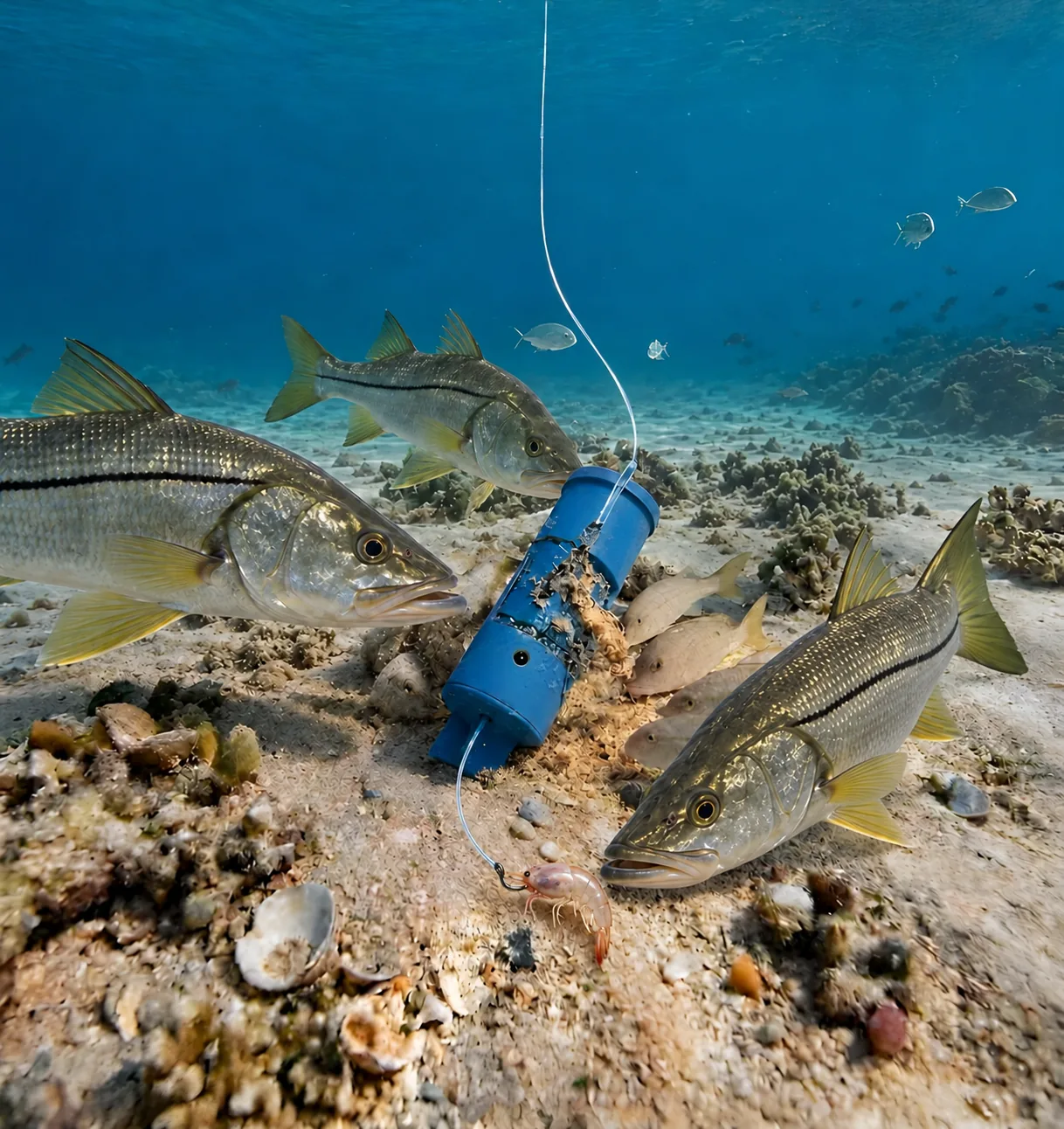
A personal dispenser contains chum while water passes through openings. Chum Buddy™ is one example, with reusable Floating Chum Buddy™ and Sinking Chum Buddy™ models and a removable internal chum bucket in each. The bucket’s smaller openings generally slow dispersion compared with the larger housing openings exposed when it is removed. Water movement and chum consistency still determine the actual release.
A sinking presentation introduces material lower in the water column; a floating presentation releases it at the surface. Neither keeps every particle at that depth. Choose based on permitted fishing location, current, water depth, and your hooked-bait presentation—not on a promise of more fish. Review the model comparison before choosing a setup, and follow the product’s rigging guidance.
Keep the trip safe and useful
Check the rod’s recommended casting-weight range against the entire loaded rig: capsule, chum, sinkers, hook, and other terminal tackle. Make sure the casting area is clear of people, pets, and obstructions. Waves, sharp hooks, and a weighted rig deserve your attention even on a quiet beach. Avoid casting around swimmers and stop if wildlife is becoming interested in the chum.
Keep simple notes on tide, water movement, bait, weed, and presentation. Change one factor at a time so your observations mean something. When chumming is not permitted, focus that experiment on legal hooked bait and placement instead. A thoughtful session can teach you about the water even when the fish do not cooperate.
Sources & further reading
- Florida FWC: fish feeding and chumming rules
- Florida Sportsman: practical chumming and current considerations
- Florida Sportsman: surf-fishing rigs and bait
Regulations can change. Verify current rules with the relevant authority for your fishing location; this guide is not a substitute for official guidance.